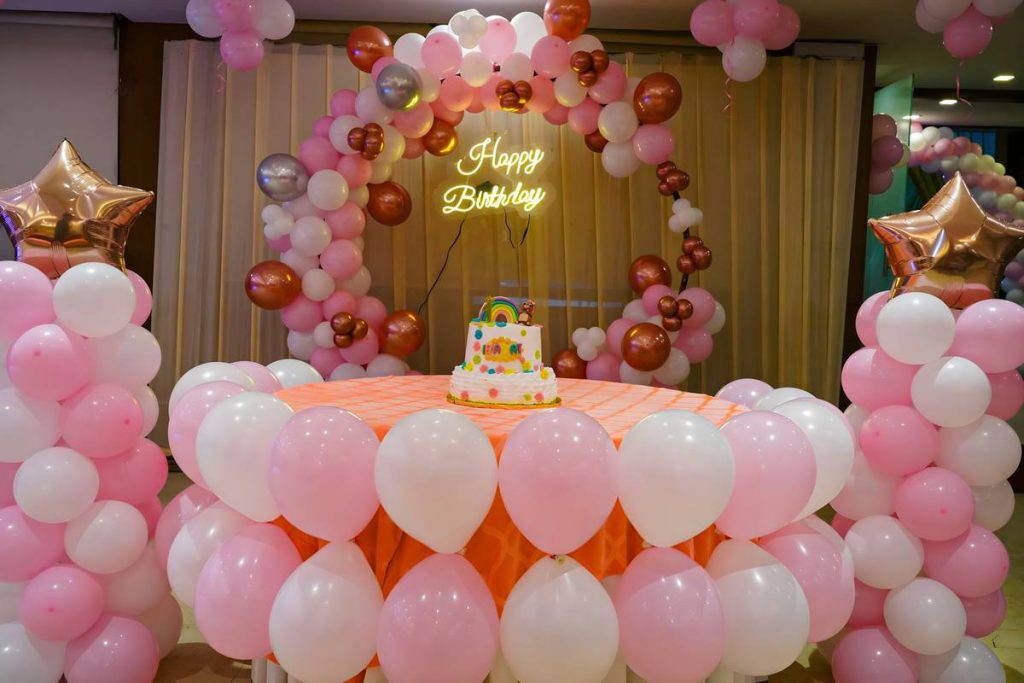
You’ve spent months planning the perfect send-off—only to realize your decor could outlive your grad’s student loans in a landfill. Balloons tangled in trees, glitter that never degrades, plastic banners flapping uselessly after one night. It’s not celebration—it’s collateral damage. But what if your graduation party eco friendly decorations actually reflected their values: smart, forward-thinking, and kind?
Why Conventional Graduation Decorations Are a One-Way Ticket to Waste Island
Most party stores push “festive” kits made of virgin plastic, synthetic dyes, and non-recyclable composites. They’re designed for 4 hours of use—and 400 years of decay. And it’s not just trash. Microplastics from popped balloons? They end up in oceans. Glitter? Literally toxic to aquatic life.
And don’t get me started on helium. The U.S. National Helium Reserve is dwindling—a non-renewable resource wasted on disposable balloons while MRI machines and scientific labs face shortages.
Graduation Party Eco Friendly Decorations: A Step-by-Step Guide to Sustainable Style
Real impact starts with material choices. Not perfection—progress.
Swap Plastic Banners for Fabric or Chalkboard Signs
Use organic cotton drop cloths painted with natural pigments—or repurpose an old bedsheet. Chalk-painted wood signs? Reusable for future milestones. Bonus: they photograph better than crinkly vinyl.
Ditch Balloons for Paper or Fabric Pompoms
Hand-cut tissue paper spheres look luxe—and compost in weeks. Or stitch fabric scraps into reusable garlands. Your grad can hang them in their first apartment post-ceremony.
Centerpieces That Double as Keepsakes
Mini potted succulents in thrifted teacups. Seed paper confetti that sprouts wildflowers. Even books wrapped in twine—stacked by subject—with handwritten notes tucked inside. Functional. Memorable. Zero waste.
| Decoration Type | Eco-Friendly Alternative | Average Cost (Per Event) | Post-Party Fate |
|---|---|---|---|
| Plastic Balloons | Handmade paper pompoms | $8–$15 | Compostable or recyclable |
| Vinyl Banner | Repurposed cotton sheet + fabric paint | $5–$12 (if using existing materials) | Reusable or biodegradable |
| Disposable Tableware | Bamboo plates + linen napkins | $20–$35 | Washable & reusable |
| Plastic Confetti | Pressed flower or seed paper bits | $6–$10 | Plantable or compostable |
Lighting That Doesn’t Light Up Carbon Footprints
Solar string lights. Beeswax candles in mason jars. Even LED tea lights powered by rechargeable batteries. Mood lighting shouldn’t cost the earth—literally.

The Industry Secret: Rentals Beat DIY for High-Impact, Low-Waste Events
Here’s what no Pinterest tutorial tells you: sometimes buying nothing is greener than crafting everything. Local event rental companies now offer curated “sustainable party kits”—linens, glassware, even bamboo signage—that serve dozens of events before retirement. The carbon math is brutal: producing one cotton napkin emits ~1.3kg CO₂. If you use it once, you’ve lost. Rent it? That footprint spreads across 50+ celebrations.
And think about storage. How many of us keep bins of “party stuff” for years—only to toss it when we move? Rentals eliminate clutter, reduce overconsumption, and often include take-back composting for any bio-waste. It’s not cheating—it’s strategy.
Frequently Asked Questions
Are biodegradable balloons actually eco-friendly?
No. Most “biodegradable” latex balloons still take months to break down—and animals often ingest them before then. Skip balloons entirely. Go for fabric flags or hanging origami.
Where can I buy graduation party eco friendly decorations affordably?
Thrift stores, Etsy sellers using deadstock fabric, or local zero-waste shops. Better yet: organize a decor swap with neighbors who recently hosted events.
Can I compost paper decorations after the party?
Yes—if they’re free of glitter, foil, or plastic coatings. Plain paper, untreated wood, and natural fibers compost easily. When in doubt, tear it: if it shreds like notebook paper, it’s likely safe.